19/10/2026 11:29
Who Is the Toy Video For? A YouTube Audience-Setting Workflow for Cambodian Shops
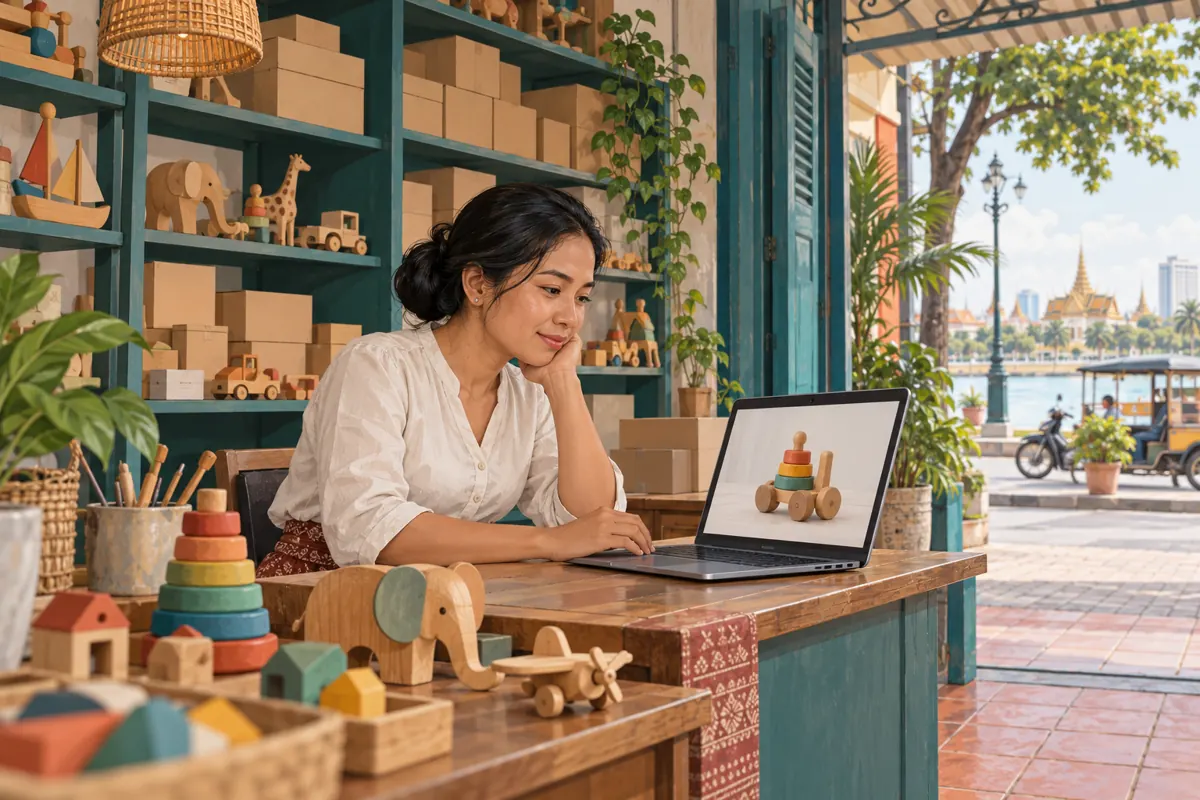
A toy shop can make several very different videos about the same wooden train: an assembly explanation for parents, a buying guide for gift shoppers, or a playful story intended to entertain children. Before promoting any of them, the team needs to understand who the finished video addresses. For Cambodian businesses using YouTube alongside an SMM panel, that review belongs before service selection. This workflow follows a hypothetical Phnom Penh toy retailer preparing a product demonstration. It connects the creative brief, audience review, available features and promotion decision without treating engagement counts as proof of suitability or customer demand.
1. Start with the viewer’s task
Write one sentence describing what someone should learn from the video. For the hypothetical retailer, it might be: an adult buying a gift can see what arrives in the box and how much assembly is required. That sentence gives the editor a concrete purpose. It also helps distinguish useful product information from decorative footage that consumes filming time without answering a buyer’s question.
Record the product version, the intended viewer, the language of narration and the question being answered. A Khmer-speaking parent comparing two products may need a different explanation from an English-speaking visitor choosing a gift. These are editorial planning choices, not automatic audience classifications. Keep the brief beside the script so the reviewer can compare the intended purpose with what the team actually produced.
2. Understand what the audience setting asks
YouTube requires creators to identify whether their videos are made for kids regardless of location. Its guidance distinguishes general-audience content from content directed to children, including qualifying mixed-audience content. Being suitable for family viewing does not alone make a video child-directed. YouTube also says Analytics is not designed to determine this classification. Consult its official guidance when reviewing the finished material. [YouTube audience guidance](https://support.google.com/youtube/answer/9528076?hl=en).
Treat this as a content decision with a named owner. The person selecting the setting should have watched the final export and understood the narration. A staff member who only uploads files may not know that the editor added a storytelling sequence after approval. Give that uploader the review decision and the exact approved version, with a route back to the owner if something differs.
3. Review the creative as a whole
The FTC describes a combination of considerations, including subject matter, visual content, characters, activities, music, models’ ages and language. Do not reduce that assessment to a single object appearing on screen. A useful preparation exercise is to note what the viewer sees, hears and is invited to do throughout the video. [FTC guidance on child-directed content](https://www.ftc.gov/business-guidance/resources/complying-coppa-frequently-asked-questions).
For the hypothetical shop, make three review notes: opening, demonstration and closing. In the opening, record how the presenter addresses viewers. During the demonstration, record whether the explanation concerns assembly or shifts into play entertainment. At the end, record the requested next action. These observations make an uncertain decision easier to discuss than a vague statement that the video feels suitable.
4. Compare two hypothetical cuts before filming more
Imagine the shop has drafted two cuts. The first shows an adult unpacking the train, identifying the included pieces and explaining storage. The second uses the train as a character in a narrated adventure and asks viewers to join a counting game. These hypothetical examples illustrate why the reviewer needs the actual creative; they are not definitive classifications. Review each complete cut against the official factors.
If the business needs an adult purchasing guide, build that guide around real purchasing questions from the start. Show the packaging, assembly process and product differences clearly. Do not merely add a sentence saying the video is for adults to an otherwise unchanged entertainment concept. If the team remains unsure about classification, hold promotion and seek qualified advice, as YouTube recommends. [YouTube audience guidance](https://support.google.com/youtube/answer/9528076?hl=en).
5. Make the demonstration useful for Cambodian buyers
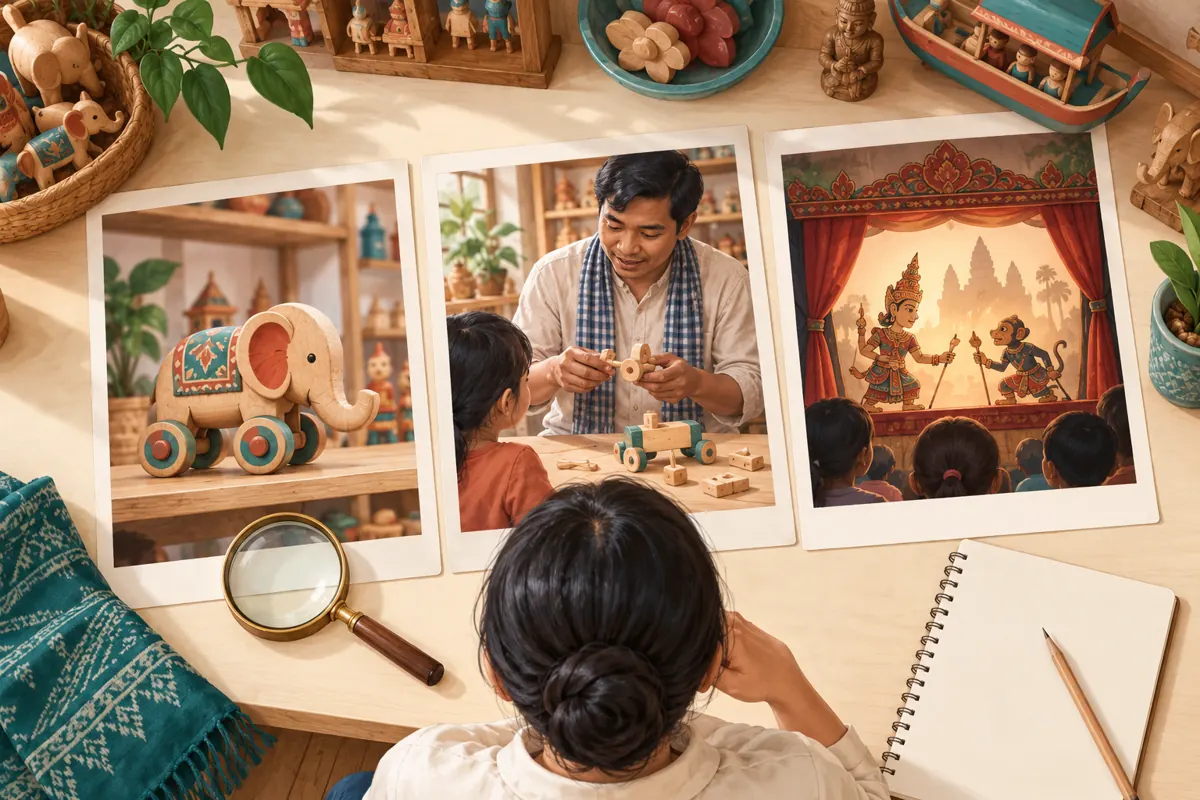
Prepare the actual product and its supplied instructions before recording. Check that the box being filmed matches the version available in the shop. Explain any assembly shown without inventing safety assurances, developmental benefits or age recommendations. Where the packaging provides important information, reproduce it accurately and distinguish the manufacturer’s statement from the presenter’s opinion. Avoid presenting a different sample as identical stock.
For a hypothetical Phnom Penh pickup customer, package size and included components may be more useful than a long cinematic introduction. Film a steady close view of the parts, then show the packed item beside the assembled example. If delivery is discussed, use the shop’s confirmed arrangements. Keep changing stock and delivery details in a separately maintained customer information source rather than casually promising them in evergreen narration.
6. Apply the reviewed decision deliberately
YouTube offers channel-level and video-level audience settings, with individual video settings overriding the channel setting. On desktop, the channel options are under Settings, Channel, Advanced settings and Audience. A channel with varied content can choose to review the setting for every video. During upload, review the Audience field before continuing. [Set your channel or video’s audience](https://support.google.com/youtube/answer/9527654?hl=en).
Keep a compact internal record: video title, file version, reviewer, decision date and a short explanation tied to the content. This is a working note, not certification. After saving, verify the intended upload rather than assuming that a similarly named draft received the change. Avoid applying a bulk change simply because several uploads feature products from the same shelf.
7. Rewrite the promotion plan around available features
Made-for-kids videos have restrictions that include unavailable comments, cards, end screens and notifications. A script that asks viewers to leave a product question below may therefore promise an action they cannot take. Check the actual viewing experience before distributing the video. [Watching made-for-kids content](https://support.google.com/youtube/answer/9632097?hl=en).
For the hypothetical retailer, create a separate purchasing guide addressed to adult customers if that business need remains unanswered. Give it a clear purpose and assess it independently. Do not relabel the original video just to recover a preferred feature. For approved sharing in adult customer conversations, accompany the video with a concise explanation of what it demonstrates and the shop’s normal purchasing contact. Never ask children to post personal details.
8. Decide whether an SMM service belongs in the plan
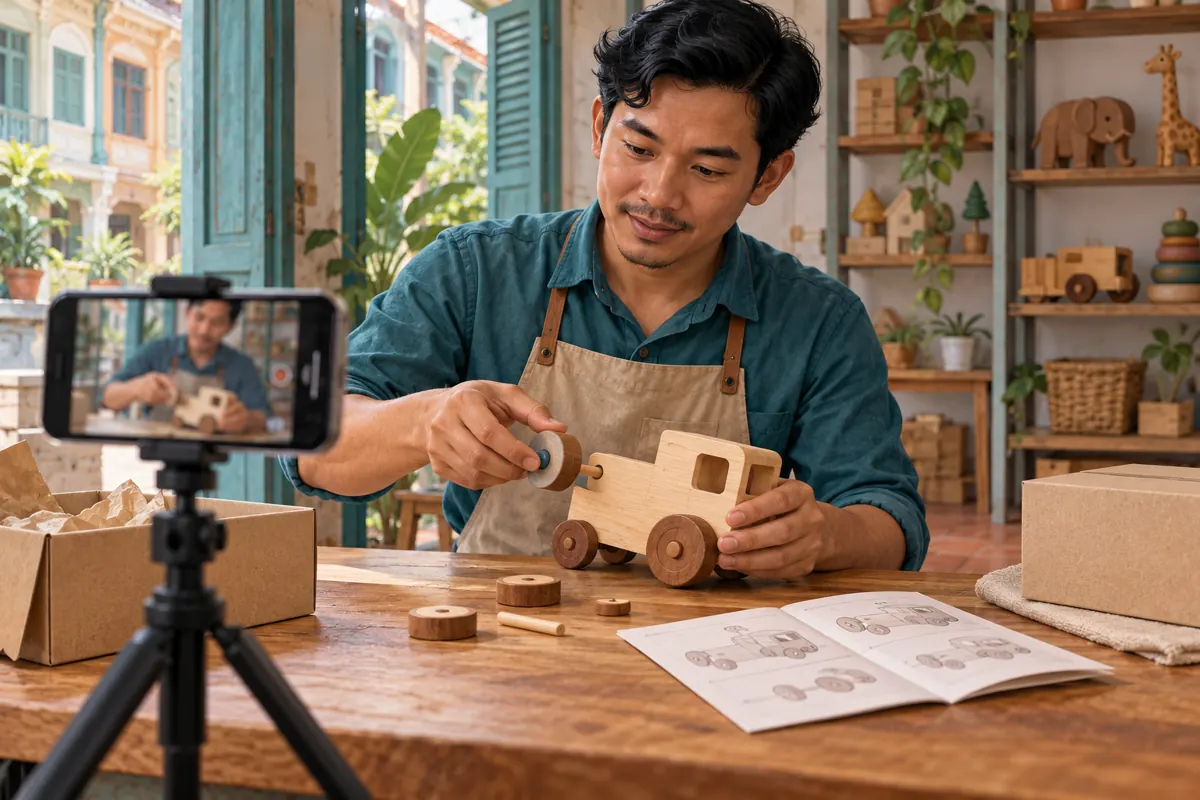
The supplied catalogue includes the exact title “YouTube Like ~ Max 500k ~ 100k/days ~ Instant ~ 𝐍𝐎 𝗥𝗘𝗙𝗜𝗟𝗟”. Its name identifies a likes offering, but the brief provides no supporting description. Treat the speed, quantity and other wording as catalogue claims, not verified performance. Nothing supplied establishes Cambodian audience origin, authentic interest, official affiliation or suitability for this video.
YouTube prohibits artificial increases in views, likes and other engagement, and warns that a hired promoter’s actions can affect the channel. Reject methods that artificially inflate metrics; a panel listing is not platform permission. [YouTube fake engagement policy](https://support.google.com/youtube/answer/3399767?hl=en).
Purchased engagement cannot establish the video’s audience classification, restore restricted features, demonstrate advertising delivery or prove sales. For this workflow, spend the available effort on a clearer demonstration, accurate product information and relevant sharing with people who genuinely want the explanation. Choosing no panel order is a valid completed decision.
9. Run a viewing test with a colleague
Ask a colleague who did not edit the video to watch it on a phone. Give them the same question that motivated production: what arrives in the box, and what assembly is needed? Ask them to explain the answer in their own words. If they cannot identify the included pieces, improve the relevant shot or narration before expanding distribution.
Then test every instruction in the closing sequence. Can the viewer perform the action described? Is the next destination relevant to the exact product? Does the spoken language match the information provided there? Record concrete problems such as an unreadable package label or an instruction referring to unavailable comments. Avoid turning one colleague’s reaction into a claim that all Cambodian shoppers will understand the video.
10. Measure usefulness and maintain the record
Choose a modest operational question for the first review: does the video help staff answer assembly enquiries consistently? Keep a simple record of questions customers still ask after receiving it. If people repeatedly ask whether wheels are included, inspect that explanation. If the recurring issue is delivery availability, improve the accompanying customer information instead of reshooting an unrelated assembly sequence.
Keep genuine enquiries, confirmed transactions and any promotion records separate. A view is not a purchase, and a lack of comments is especially uninformative when comments are unavailable. When the product version changes, review whether the demonstration still matches stock. Assign one person to retire or replace outdated sharing references so staff do not keep sending a familiar but inaccurate video.

Frequently asked questions
Does showing a toy automatically make the video made for kids?
No single appearance of a toy settles the question. Review the complete content and intended audience using the official factors, rather than making a decision from the product category alone. Keep notes about the actual presentation so another reviewer can understand the decision. [YouTube audience guidance](https://support.google.com/youtube/answer/9528076?hl=en).
What should staff do if two reviewers disagree?
Ask each reviewer to identify the exact scenes, words or activities behind their concern. Compare those observations with the current official guidance and send the unresolved question to the responsible owner or qualified adviser. Keep the upload out of the promotion queue while the decision remains unresolved. A deadline should not replace the review.
Can an agency decide the audience setting for the shop?
An agency can prepare an assessment and operate within its agreed responsibilities, but the shop should establish who approves the decision and what evidence they receive. Require the final export, the intended audience statement and any unresolved concerns. Avoid accepting a blanket answer based only on the channel’s business category or a preferred engagement strategy.
Should a shop change the setting because comments disappeared?
First check the saved setting and the applicable feature restrictions. Comments are unavailable on made-for-kids videos. If the classification is correct, adapt the customer communication plan to that limitation. A missing feature is not evidence that the audience decision was wrong. [Made-for-kids viewing features](https://support.google.com/youtube/answer/9632097?hl=en).
What if YouTube sets the video as made for kids and the shop disagrees?
YouTube provides an appeal route for videos it has designated as made for kids. Consult the current instructions and prepare a reason based on the actual content. Do not try to solve the disagreement by buying engagement or repeatedly changing unrelated metadata. [YouTube audience settings and appeals](https://support.google.com/youtube/answer/9527654?hl=en).
How can a small shop promote the video without buying engagement?
Use it where its explanation is relevant: answer an adult customer’s assembly question, include it in an appropriate product information page, or share it through a community that permits useful business contributions. Explain what the video answers instead of posting the link without context. Assess whether it resolves questions, while avoiding promises about reach or sales.
Explore the current service catalogue, create an account, or ask a specific question through support tickets.
- YouTube Help: Determining if your content is made for kids
- Federal Trade Commission: Complying with COPPA — Frequently Asked Questions
- YouTube Help: Set your channel or video’s audience
- YouTube Help: Watching made-for-kids content
- YouTube Help: Fake engagement policy
Prepared with AI assistance. Illustrations explain the workflow and do not represent customer results.