19/10/2026 05:08
Which Door Is the Pickup Point? An Instagram Highlights Workflow for Cambodian Shops
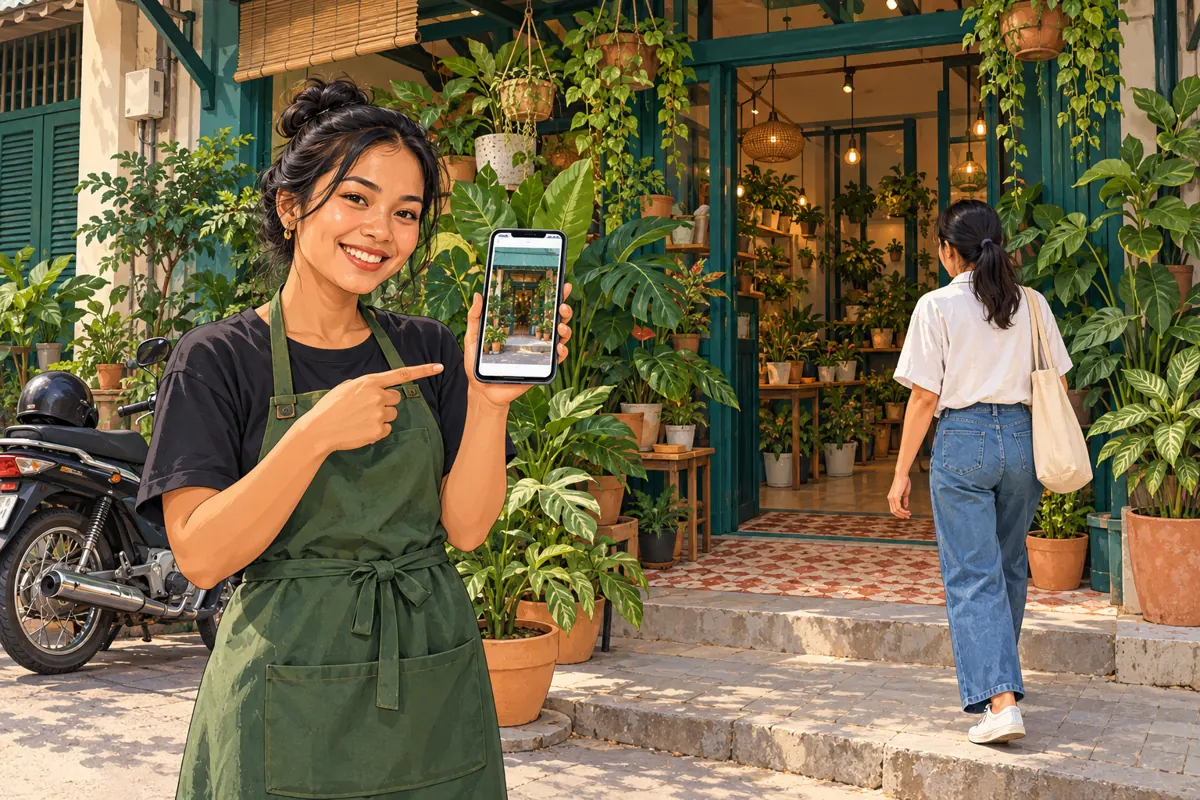
A customer can recognize your products on Instagram and still struggle to find your entrance. Similar shopfronts, a collection counter inside another business or an unfamiliar side street can turn a simple pickup into several messages. Before spending on social media promotion, give interested visitors a practical way to complete that last part of their journey. This workflow uses a hypothetical Phnom Penh plant shop to explain how to build an Instagram pickup Highlight, test its directions and maintain it. It also shows where an SMM panel service fits into the decision—and why purchased activity cannot demonstrate that Cambodian customers found the shop.
1. Define the arrival problem before making more content
Start with the point where customers become uncertain. Do they reach the correct street but enter the neighboring business? Do they arrive before their order is ready? Do they assume the display area is also the collection counter? These are different problems. Ask the person handling pickups to describe the actual question customers ask, without sharing names, phone numbers or private conversations.
In our hypothetical example, the plant shop shares a frontage with another small business. Its Instagram photographs show attractive plants, but none show the entrance from the pavement. The useful objective is therefore specific: help someone distinguish the collection entrance from the adjacent door. Write that objective at the top of the content brief. If the problem instead concerns order readiness, prioritize confirmation instructions. Extra street photographs will not resolve uncertainty about whether a purchase is ready to collect.
2. Give the pickup guide a clear home on Instagram
Instagram Highlights let a business retain selected Stories on its profile beyond the ordinary Story window. Meta’s official introduction to Highlights explains the distinction between a profile Highlight and the private Stories archive. Use that distinction deliberately: storing a useful entrance photograph in your archive does not itself make the photograph a customer-facing guide. Select the material intended for visitors and check the resulting Highlight.
Choose a short, recognizable title such as “Pickup” or “Find Us,” using the language your customers understand. A doorway or location symbol can help identify the cover, but the title should explain its purpose. Use the Highlight controls available in your current app rather than relying on an old screenshot of a particular button position. Keep the guide focused on arrival. Product launches, staff celebrations and unrelated promotional Stories can make the practical answer harder to locate.
3. Gather facts from the pickup location
Walk the approach before designing the Stories. Confirm the public address, branch name, visible entrance, collection counter and contact method. Check any landmark from the direction a visitor will approach. A colorful awning might be useful today but unreliable if it belongs to a temporary stall. Prefer durable features, and pair a landmark with the address rather than making the landmark the entire instruction.
For a Cambodian shop, consider whether customers will arrive on foot, by motorbike or with a driver. Explain a permitted stopping or waiting point only after checking it locally. Do not turn an empty patch of pavement into an implied parking promise. Photograph the doorway at ordinary customer eye level, including any visible step or narrow access. If customers may need help carrying a plant or entering the shop, provide a way to ask staff before traveling.
4. Build a short sequence around customer decisions
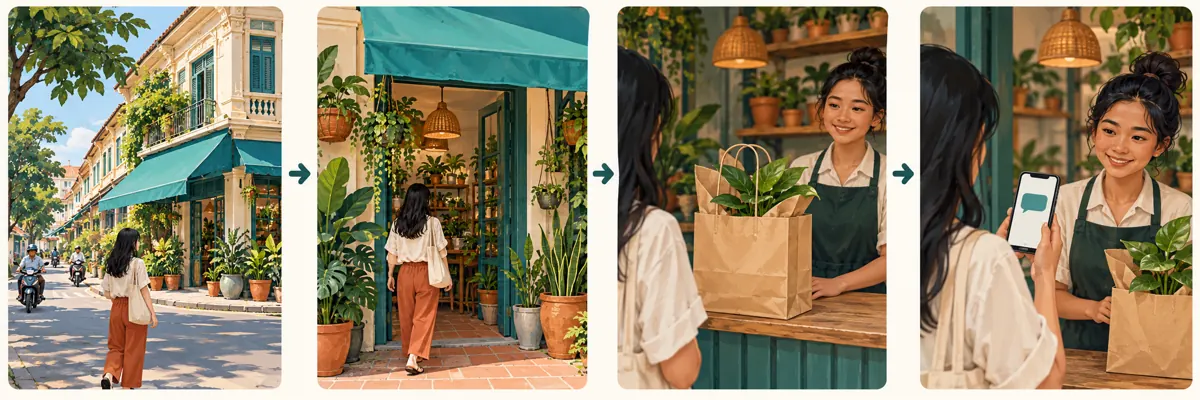
Draft a compact sequence with one decision per Story. Begin by identifying the branch and purpose of the guide. Then show the surrounding approach, followed by a close view of the correct doorway. Explain where collection happens once the visitor enters. Finish with the action to take when the order is not yet confirmed or the visitor cannot find the entrance. Each frame should answer a question that arises naturally from the previous one.
For the hypothetical plant shop, the doorway frame might say, “Use the entrance with the plant display beneath the teal awning.” The collection frame might say, “Show your collection confirmation to the attendant at the inside counter.” These are illustrative instructions, not facts about a real shop. Replace them with verified details. Avoid lengthy introductions: someone already standing outside needs the entrance information before the history of the business or its latest product offer.
5. Make directions understandable without sound
Use a still photograph when it communicates the entrance more clearly than a moving clip. A slow approach video can help explain a turn, but stop filming before walking into traffic and avoid distracting camera movements. Include a short written explanation so the guide remains useful without audio. Keep essential wording away from screen edges and inspect the published version for anything obscured by the interface.
Write directions in the language used by the intended customers. For a business serving Khmer-speaking customers, prepare and review Khmer instructions even when internal planning happens in English. Add another language when it serves an actual audience need, keeping each version readable. Avoid squeezing several translations onto one crowded frame. Use consistent branch names across languages, and ask a reader unfamiliar with the shop to explain the instruction back to you. Correct any wording that produces a different route or entrance.
6. Separate finding the shop from permission to collect
A location guide should not imply that every order is ready, that every item remains available or that staff can accommodate any arrival time. State the shop’s actual confirmation process alongside the directions. If collection requires an agreed time, say so plainly. Keep customer-specific details in the private order conversation rather than displaying names, receipts or collection codes in a public Story.
In the hypothetical plant shop, a customer may know the doorway but still need confirmation that a large plant has been packed. The guide can explain the general rule: wait for the shop’s collection confirmation before departing. Staff then provide the specific arrangement privately. If another person will collect, explain how to arrange that with the business without publishing personal information. This prevents the pickup Highlight from becoming an accidental promise about stock, preparation or immediate service.
7. Test the guide with someone who does not know the route
Ask a colleague or willing tester who is unfamiliar with the entrance to use the published guide. Start from a sensible nearby point, with the tester standing safely when checking the phone. Let them interpret the instructions without coaching. Observe where they hesitate, which image they reopen and whether they identify the collection counter. A successful test means the guide answers the practical question; it does not establish broader marketing performance.
Record the misunderstanding in concrete terms. “The tester chose the adjacent blue door” is more useful than “the guide felt confusing.” Change the relevant photograph or sentence, then repeat that part of the test. Also inspect the guide from an appropriate visitor account to confirm that its intended audience can see it. If visibility or access differs from what the shop expects, resolve that before directing customers to the Highlight. Keep a plain-text directions message ready as a fallback.

8. Decide whether an SMM panel service addresses the problem
The supplied catalogue includes the exact public service name “Instagram - Profil Visit [1M]” under Instagram impression services. That title identifies a profile-visit offering, but its description is empty. It does not establish Cambodian audience targeting, unique visitors, interest in plants, visits to a particular Highlight or completed pickups. The bracketed label alone also does not explain the billing basis or the conditions of delivery.
If the business problem is that customers cannot find the doorway, purchasing profile activity does not fix the directions. Complete and test the guide first. Before considering any panel purchase, obtain enough information about the service’s method and terms to assess suitability and compliance with Instagram’s rules. Do not assume the listing represents official Instagram advertising or platform affiliation. Purchased engagement is not evidence of genuine interest, sales, ad delivery or Cambodian users. Leave the service unused when its relevance or method remains unclear.
9. Put the guide into real customer conversations
Once the guide works, mention it where arrival questions naturally arise. A product caption can tell interested customers where to find pickup information. A staff reply can name the Highlight and also provide the essential address in text. When confirming collection, tell the customer which branch applies and whether any temporary arrangements affect their visit. Avoid making someone search through Instagram while already standing outside.
A hypothetical confirmation might read: “Your plant is ready for the agreed pickup. The Pickup Highlight shows our entrance. Please message us if you cannot identify the doorway.” Staff should adapt the message to the actual order and arrangements. If a customer cannot access Instagram, send the same essential directions through the existing conversation. A useful guide supports human assistance; it should not become a reason to repeat “check our profile” when someone has already explained that they are lost.
10. Maintain the guide and evaluate the right evidence
Assign one person to review the guide when the entrance, opening arrangements, collection counter or contact method changes. Temporary roadworks or a covered sign may also require a replacement image. Remove contradictory material from the customer-facing Highlight when updating it. Adding a new correction while leaving an old instruction visible can force visitors to decide which version is valid. Date temporary notices clearly and remove them when they no longer apply.
Evaluate usefulness through actual arrival problems: repeated doorway questions, reports of entering the neighboring business and staff explanations needed at collection. Keep these observations separate from profile activity and panel delivery records. Even fewer direction questions would not prove that a panel service caused an improvement. Common mistakes include treating a map pin as sufficient, hiding the entrance behind decorative graphics, retaining holiday hours indefinitely and presenting purchased activity as local demand. Improve the instruction that failed, then check it again.
Frequently asked questions
Should the pickup Highlight contain a map or an entrance photograph?
Use whichever information resolves the actual uncertainty, often both. An address or map reference helps someone reach the area, while an entrance photograph helps distinguish neighboring doors. Verify any destination link yourself. A map pin does not explain an inside collection counter, a separate entrance or an appointment requirement.
Can purchased profile visits prove that Cambodian shoppers saw the guide?
No. The supplied profile-visit listing does not establish visitor location or whether anyone opened the pickup Highlight. Purchased activity also cannot establish shopping intent. Use customer questions and actual collection records to understand pickup difficulties, while keeping any panel delivery record separate from those business observations.
What should a shop do when its entrance changes temporarily?
Replace the affected instruction with a clearly dated temporary explanation and remove contradictory material from the visible guide. Tell customers with confirmed pickups about the change directly through their existing conversation. Once normal access returns, review the whole sequence again rather than assuming the temporary notice is the only affected frame.
Does every branch need a separate pickup guide?
Separate guides are useful when entrances or collection procedures differ enough to create confusion. Identify the branch at the beginning and in the title where practical. A shared guide can work for genuinely identical procedures, but each customer still needs the correct address and branch-specific arrival information.
What if customers still ask for directions after the guide is published?
Answer them and identify what remained unclear. They may not have found the Highlight, may be approaching from another direction or may need an accessible route. Improve the relevant instruction if the question recurs. The goal is useful assistance, not eliminating every human conversation or making customers responsible for navigating incomplete information.
Explore the current service catalogue, create an account, or ask a specific question through support tickets.
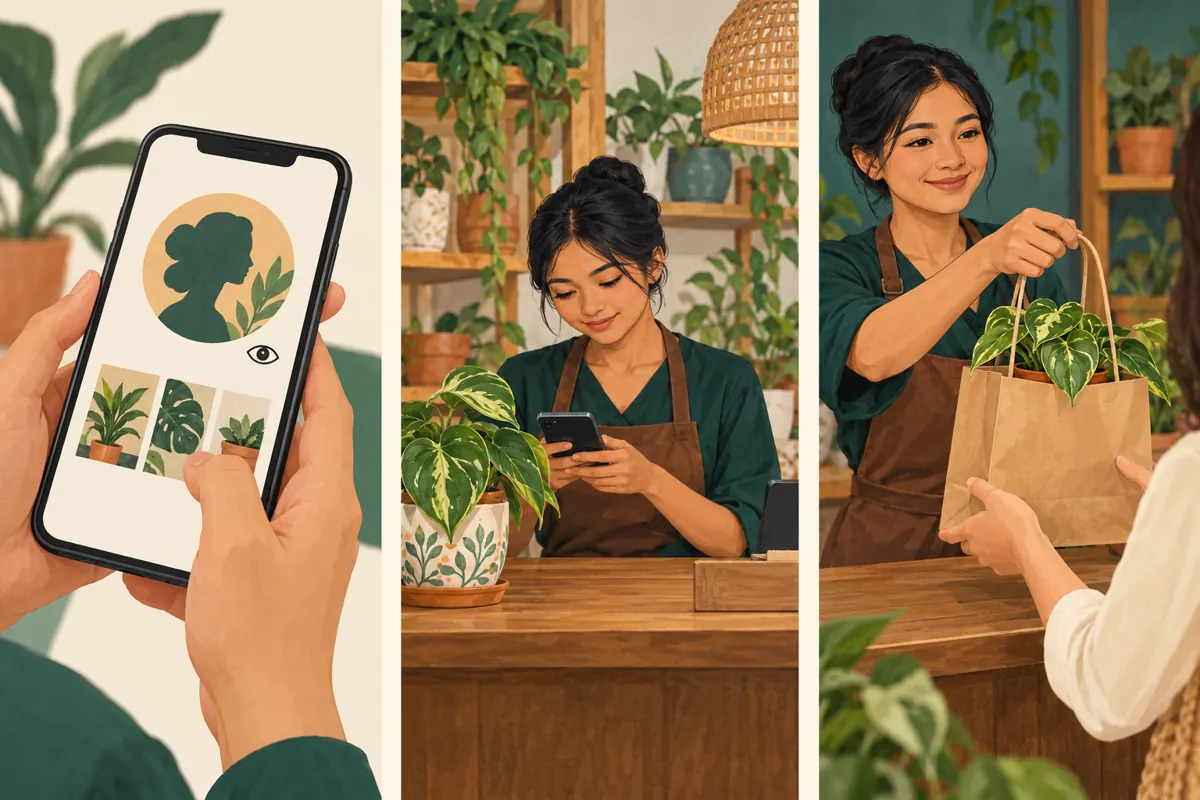
Prepared with AI assistance. Illustrations explain the workflow and do not represent customer results.