22/10/2026 12:45
Torn Fabric or Loose Handle? TikTok Playlist Planning for Cambodian Umbrella-Repair Shops
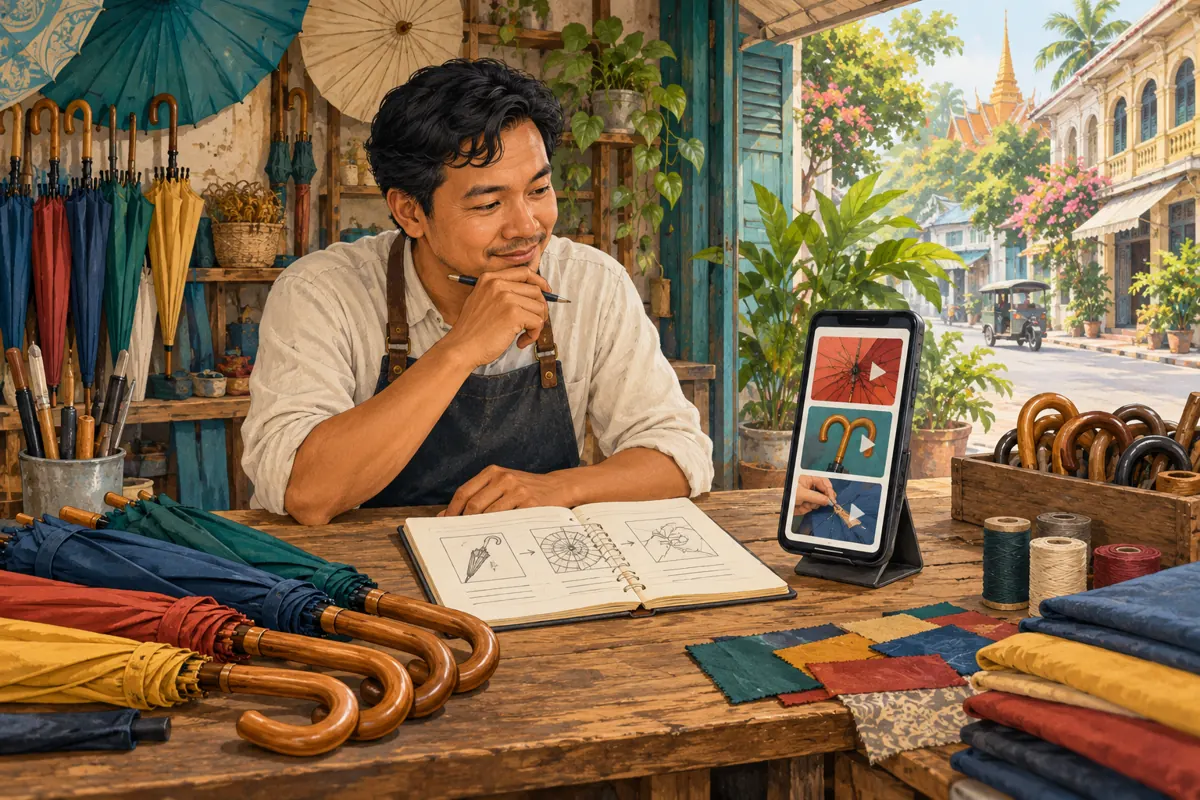
A useful umbrella-repair video can still leave a viewer stranded. Someone sees a demonstration of damaged fabric, opens the shop’s profile, and then searches through unrelated clips for information about a loose handle. For a Cambodian repair business, that gap matters: the next useful action is usually understanding what to photograph or ask, rather than watching every upload. TikTok playlists can help organize related public videos where the feature is available. This guide develops a practical planning and testing workflow, including a fallback when playlists are absent. It also explains why SMM panel activity must remain separate from evidence that local customers understand the service or want a repair.
Start with the question customers bring to the counter
Consider a hypothetical umbrella-repair shop in Phnom Penh. Its owner has filmed fabric patches, handle replacements and examples of damaged frames. The videos reflect the order jobs arrived, but a visitor approaches the profile with a particular problem. A customer holding an umbrella with a loose handle should not need to recognize technical component names before finding useful guidance.
Write down the questions people actually ask, using staff notes with identifying details removed. Separate observable symptoms from workshop diagnoses. “The handle moves” describes something a customer can recognize; the cause may require inspection. Build the first content group around that observable problem. This gives the playlist a specific purpose: helping a visitor recognize the relevant guide and prepare a clearer enquiry. Avoid starting with an ambitious collection covering every repair the shop has ever performed.
Check whether a playlist is an available route
TikTok describes creator playlists as a way to group public videos so viewers can watch related material together. Its help guidance also notes that the feature is not available everywhere. Treat availability as something to check on the shop’s account before promising customers a playlist. See TikTok’s [Watch videos in a playlist](https://support.tiktok.com/en/using-tiktok/exploring-videos/watch-videos-in-a-playlist) guidance.
Have the person responsible for the account inspect its available playlist controls and follow the instructions shown there. If those controls are absent, continue preparing the videos and their labels without promising playlist access. Do not buy followers on the assumption that a particular total will activate the feature. The practical decision is straightforward: use a playlist when the account supports it and the collection solves a navigation problem; otherwise provide individually understandable videos and direct references to the appropriate guide.
Group by repair question, then choose a useful sequence
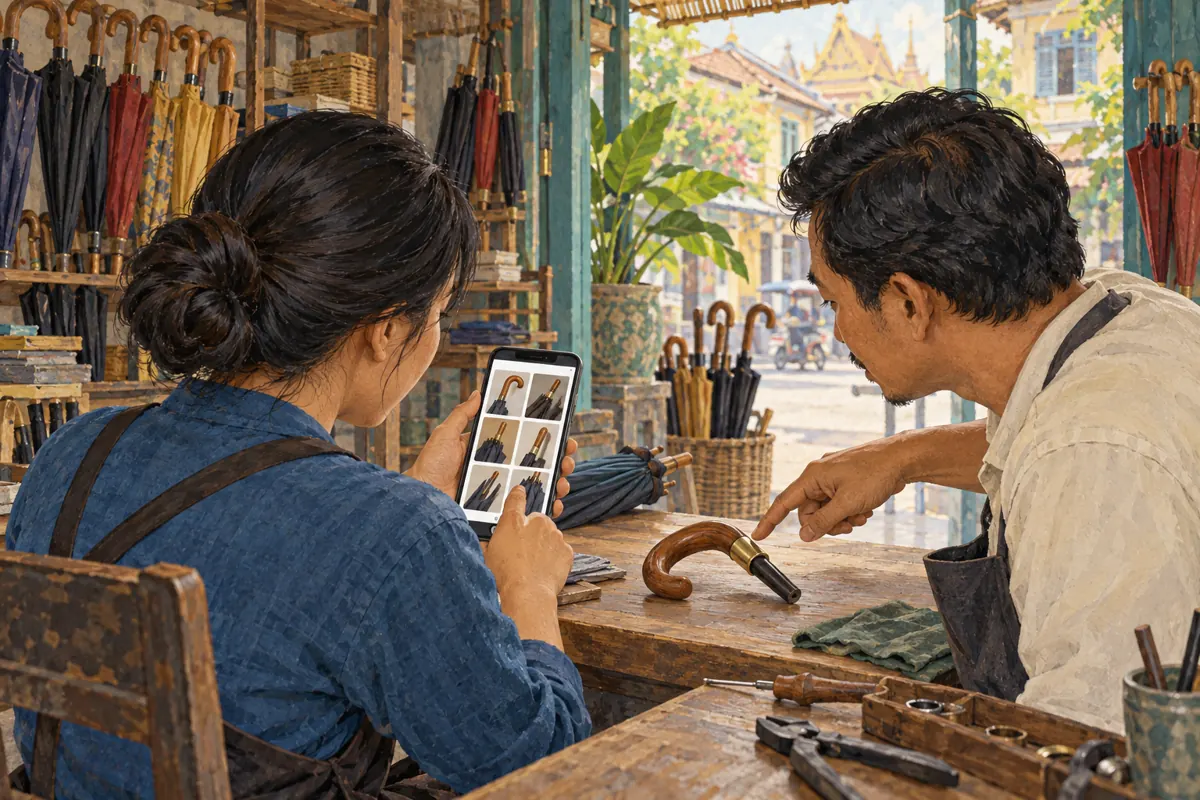
For the hypothetical shop, draft three possible groups: fabric damage, loose handles and frame damage. Review each existing video and assign it a primary customer question in a planning sheet. Record the public video reference, what the clip explains, any limitation, and whether the information remains current. A beautiful repair montage may be suitable for general promotion while contributing little to a problem-specific collection.
Within the proposed loose-handle group, plan an orientation clip, a clip showing which external details help the shop assess an enquiry, and a clip explaining what happens during inspection. Keep the intended sequence in the planning sheet and compare it with the actual viewing experience. Do not assume publication order produces the desired journey. If a necessary explanation is missing, film that explanation before adding more examples of completed work.
Name collections in the language of the enquiry
Use short, concrete labels that distinguish one problem from another. “Loose umbrella handle” gives a visitor more direction than “Useful tips” or “Workshop collection.” For a shop serving Khmer-speaking customers, have a fluent colleague choose natural Khmer wording based on real conversations. English examples in this article are planning examples, not a reason to make the shop’s customer-facing material English.
Keep terminology consistent across the collection name, spoken introduction and video cover. A viewer should not have to decide whether three different expressions refer to the same part. Show the relevant component clearly as well, because an image can help someone who does not know its name. Avoid calling a collection “All repairs explained” when it covers only selected examples. A narrow, accurate label makes the limits easier for both customers and staff to understand.
Make every video useful when watched alone
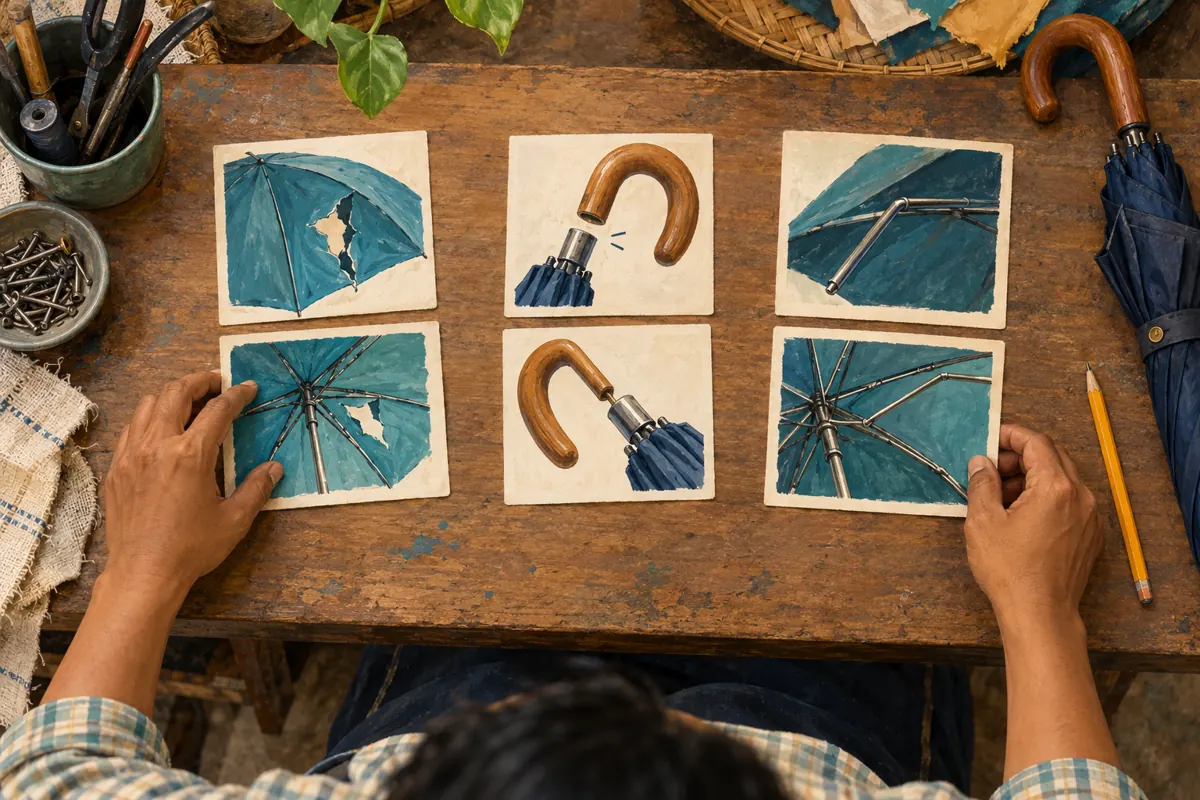
Plan for someone to encounter a single clip without seeing the rest of the collection. Start by identifying the umbrella part and the question being answered. Show enough of the whole umbrella to establish context, then move closer to the relevant detail. Finish with a practical next step, such as asking the shop which photographs are needed before bringing the item for inspection.
Avoid opening with “As explained earlier” or ending with an unexplained “Continue to the next part.” Those phrases make a standalone clip incomplete. In the hypothetical handle example, state that the footage illustrates one construction and that other umbrellas may differ. Do not turn a successful demonstration into a promise that every similar-looking problem is repairable. The content should help customers describe their situation without implying that a video substitutes for examining the actual item.
Build the collection and test a real navigation task
When playlist tools are available, use the prepared list of approved public videos while following the account’s on-screen creation process. Compare the resulting collection with the plan: correct topic, suitable videos, understandable label and sensible progression. Then inspect it from a viewer’s perspective. A collection that looks organized to its creator may still be hard for an unfamiliar visitor to understand.
Ask a colleague who did not prepare the collection to complete one task: find the guide explaining what to show the shop about a loose handle. Let the colleague work without hints. Note where they hesitate, which label they choose and whether they can explain the next action. This is a hypothetical internal usability exercise, not customer evidence. Improve the confusing label or missing explanation, then repeat that specific task. Counting taps is less useful than understanding why the person became uncertain.
Keep a workable fallback for missing playlists
If the shop cannot use playlists, keep the same question-based planning sheet. Give each new video a distinct opening and recognizable visual subject. Staff can maintain a small internal reference list matching common enquiries to the appropriate public video. When someone asks about a handle, send the handle guide through the shop’s established communication channel instead of directing them vaguely to browse the whole profile.
A short overview video can also explain what kinds of information the shop provides and how to ask for the relevant guide. Avoid directions such as “the third video on our profile,” because later uploads can make that instruction confusing. Use the topic and visible subject as identifiers. This fallback preserves the main benefit of the work: a customer receives the right explanation, even when the platform does not offer the preferred organizational feature.
Evaluate SMM listings without confusing them with navigation
The supplied catalogue includes “TikTok Video Save ~ Max Unlimited ~ 100k/Days ~ Instant ~ 𝐍𝐎 𝗥𝗘𝗙𝗜𝗟𝗟”. Its title presents it as a video-save service, but the supplied description is empty. The title’s delivery wording is not independently verified evidence. Nothing supplied establishes playlist creation, Cambodian audience origin, genuine interest or repair enquiries.
For this workflow, a save-service listing does not solve the navigation task. TikTok prohibits services that artificially increase engagement and says it removes inauthentic signals. Review its [Integrity and Authenticity guidelines](https://www.tiktok.com/community-guidelines/en/integrity-authenticity) before considering any panel listing. If a proposed service relies on artificial engagement, decline it. A sensible SMM-panel decision can be to place no order and spend the effort improving the guide.
If earlier panel activity exists, keep its service name, target video and dates in a separate record. Do not present purchased engagement as customer preference, sales, advertising delivery or evidence that Cambodian viewers found the collection useful.
Measure clearer enquiries and maintain the collection
Define a useful enquiry before reviewing results. For the hypothetical repair shop, that might mean a person identifies the damaged part, provides the requested external photographs and asks whether an inspection is possible. Record whether the person voluntarily mentions a particular guide. Avoid claiming that a playlist caused an enquiry simply because the enquiry arrived after the collection was created.
Keep navigation observations, social counters and actual repair records separate. A colleague finding the correct guide demonstrates that the route worked in that test. A customer asking about inspection demonstrates an enquiry. A completed repair requires its own business record. None of these should be substituted for another.
Assign someone to review the collection when repair availability, contact instructions or the videos change. Check that every included clip still supports the collection’s purpose. If a video becomes unsuitable, revise the collection using the available controls and recheck the visitor route. Keep dated notes so staff know which explanation is current.
Avoid the mistakes that make a helpful collection confusing
The first common mistake is grouping everything under a broad promotional label. A mixture of fabric repairs, shop celebrations and supplier deliveries may reflect the business accurately while failing to answer a customer’s question. Keep unrelated promotional posts outside the planned problem-solving sequence. Another mistake is using almost identical covers for different topics, leaving the visitor unable to distinguish a handle guide from a frame guide.
Do not make customers watch several clips merely to learn what information the shop needs. Put essential intake instructions in the relevant standalone video. Equally, avoid hiding limitations until the final clip. If inspection is necessary before confirming repairability, say so where the example appears. Finally, resist treating a rising counter as proof that the collection is working. Investigate whether people can find the guide, understand its scope and take the next appropriate step.
Frequently asked questions
Should a small repair shop make a playlist for every component?
Only when each collection answers a distinct recurring question and contains useful material. Start with the problem that causes the most confusion in actual conversations. Several thin collections can create more browsing work than one focused group. Expand when the shop has a clear additional customer need and enough relevant explanations.
What if one video covers both fabric and frame damage?
Decide which question the video answers most clearly in your planning sheet. If it leaves both topics incomplete, prepare separate standalone explanations. Do not upload nearly identical copies merely to fill collections. The editorial aim is that a visitor recognizes the subject and understands the answer without sorting through overlapping material.
Can purchased saves show that Cambodian customers want the repair?
No. Purchased saves do not establish location, genuine interest or intent to request a repair. Even an authentic save can have several meanings, including keeping a demonstration for later. Assess demand through actual enquiries and business records, while respecting TikTok’s rules on artificial engagement.
How should staff respond when a customer says the playlist is missing?
Send the relevant public video directly through the shop’s normal communication channel and confirm that it answers the question. Record the navigation difficulty for review. Do not make the customer troubleshoot the feature before receiving help, and do not promise that changing accounts or reaching a follower total will resolve it.
Does a successful navigation test prove the promotion worked?
It proves only that the tested person could complete that task under those conditions. That is useful evidence for improving organization, but it does not establish reach, sales or a general customer response. Combine repeat navigation checks with genuine enquiry observations, keeping each conclusion limited to what the records actually show.
Explore the current service catalogue, create an account, or ask a specific question through support tickets.
- TikTok Help Center: Watch videos in a playlist
- TikTok Community Guidelines: Integrity and Authenticity
Prepared with AI assistance. Illustrations explain the workflow and do not represent customer results.