21/10/2026 03:38
Café Leaflet or Social Post? Telegram Invite Links for Cambodian Pottery Workshops

A pottery workshop can share the same Telegram channel through a café leaflet, a social post and a partner’s recommendation. When new subscribers arrive, however, the total alone cannot explain which invitation they used. Separate invite links make that question easier to investigate. For Cambodian businesses promoting classes, this creates a practical connection between offline materials and social media work. The aim is to understand entry routes while keeping enquiries, bookings and any SMM panel activity separate. This workflow uses a hypothetical Phnom Penh pottery studio; its examples describe planning choices, not customer results or promised performance.
1. Decide what the invitation should accomplish
Start with one decision: are you inviting people to receive workshop announcements, or asking them to reserve a class? Those actions need different wording. An announcements channel can introduce the teacher, show the workspace and explain upcoming sessions. A booking requires additional details and a clear confirmation process. Calling every channel subscriber a prospective booking makes the promotion report less useful.
In this hypothetical example, the studio wants people to join its announcements channel before choosing a beginner session. Its invitation says that the channel contains class dates, preparation advice and contact instructions. The studio will assess whether each promotion route brings people into that channel. Separately, it will record genuine questions and confirmed reservations. This gives the owner a manageable question without pretending that one link can explain the entire customer journey.
2. Assign a separate link to each placement
Telegram supports additional invite links alongside the main invitation. Its official documentation describes optional expiry and usage limits, as well as information about users who joined through a particular link. For this workflow, the useful feature is having distinct entry routes into the same destination. You do not need a separate channel for every promotion placement.
Create one route for the café leaflet and another for the studio’s social post. Record each exact link beside its intended placement before distributing anything. Use an internal description such as “Riverside café counter, beginner class leaflet” rather than an ambiguous label such as “new link.” Telegram documents invite-link titles as visible only to administrators; keep a separate working record too. If the café also wants to share the invitation online, give that placement its own link when distinguishing print from online matters to your decision.
3. Make the destination answer the leaflet’s promise
Before sending visitors into the channel, check that its current content explains the advertised activity. For a Cambodian pottery workshop, useful details might include the teaching language, neighbourhood, session duration, what participants make and whether finished pieces require later collection. State only arrangements the studio has confirmed. A photograph of a glazed cup should not imply that beginners will take an identical finished cup home immediately.
Keep the invitation and destination aligned in meaning. If a Khmer leaflet promotes beginner instruction, the first useful channel information should be understandable to that audience. An English summary can help other readers, but it should not replace essential Khmer instructions where those are needed. Give visitors an obvious way to ask about a session, and explain what happens next. Joining the channel should never be presented as automatically reserving a place.
4. Choose a link lifetime that fits the material
A social post can often be updated more easily than a stack of printed leaflets. Think about that difference before setting an invitation to expire. For a leaflet intended to introduce the studio over several months, a short expiry could leave useful printed material pointing to a closed route. For a temporary campaign, a defined end date may be appropriate if the surrounding wording explains the limited period.
Treat an invite usage limit as an access setting, not a class-capacity tool. Joining a channel does not collect a participant’s preferred session, check availability or confirm payment. Keep seat allocation in the booking process. Record the chosen link settings, the person responsible for reviewing them and the review date in Cambodia time. If the workshop changes its schedule, inspect both the public message and the invitation settings instead of assuming that one update fixes everything.

5. Test the actual route before distributing it
Telegram’s published guidance places invite management under the group or channel profile, then Edit and Invite Links; labels can differ between clients. Use the options available to an authorised administrator. Telegram also supports turning invite links into QR codes. For printed materials, test the actual exported code in the final layout rather than relying on a successful scan of an earlier draft.
Ask a consenting colleague who is not already subscribed to check the route. Confirm the channel identity, whether the invitation is usable and whether the promised workshop information is easy to find. On a printed proof, check scanning at the intended size and under ordinary café lighting. Record any test join so it is not later mistaken for campaign response. If access fails, investigate the exact link and its settings before printing more copies or expanding promotion.
6. Keep distribution consistent enough to interpret
Give each partner clear placement instructions. In the hypothetical studio campaign, the café receives the leaflet version containing its assigned invitation, while the studio uses the social-post invitation on its own page. Store the approved artwork beside the link record. This reduces the chance that a helper copies yesterday’s link into today’s material and quietly combines two routes.
Keep a short distribution note: when the material appeared, where it was placed, what it offered and whether the invitation remained usable. Record interruptions, such as the café removing leaflets during a counter renovation. These details matter because unequal exposure makes simple comparisons misleading. A route displayed for a month and another displayed for an afternoon did not receive the same opportunity. You can still learn from both, but describe their conditions before deciding which deserves more effort.
7. Read link joins as route evidence
Review invite-link information at a consistent interval and record the observation date. Describe the result narrowly: accounts joined using the invitation assigned to the café leaflet. Avoid converting that statement into “the café produced these customers.” Someone could photograph the leaflet, send its link to a friend and create a join that occurs far from the café.
Similarly, the link used to join may not be where someone first discovered the studio. A person could watch several social videos and later scan the printed invitation. When attribution matters, ask an optional, neutral question during an enquiry: “Where did you first hear about the workshop?” Keep their answer separate from the recorded joining route. Neither should overwrite the other. For routine planning, aggregate observations are usually enough; there is little reason to circulate subscribers’ names among café staff or promotion partners.
8. Keep SMM panel activity outside the booking conclusion
The supplied khmer-boost.com catalogue includes the exact public service name “Telegram Post Views.” Its description is empty, so the name alone does not establish delivery method, audience location, retention, eligibility or other conditions. It also does not establish that the service can track invite-link joins. Ask for missing service information rather than treating a familiar label as a complete specification.
If the studio uses an SMM panel service, maintain its order record separately from the invitation review. Record the relevant post, service name and activity period so the team knows another intervention occurred. Purchased engagement is not evidence of genuine interest, sales, ad delivery or Cambodian users. A post-view service should not be described as a booking campaign or proof that café visitors responded. For a clean comparison of ordinary promotion routes, avoid adding purchased engagement during the observation period.
9. Diagnose the problem before expanding promotion
Suppose, hypothetically, the studio observes joins through the café invitation but receives repeated questions about whether firing is included. The immediate task is to clarify the class offer. Printing more leaflets would amplify the same unanswered question. If people report an unusable invitation, repair access first. If enquiries concern unsuitable dates, review scheduling rather than assuming the content needs more visible engagement.
Keep separate records for joining-route observations, substantive enquiries and confirmed bookings. A substantive enquiry might ask about a particular session, teaching language or collection arrangement. A confirmed booking should meet the studio’s stated acceptance process. Do not invent a conversion percentage by dividing unrelated totals, especially when bookings cannot be connected reliably to join records. Choose the next action from the evidence available: improve the explanation, repair the route, change placement or collect more observations under comparable conditions.
10. Retire old invitations without losing the lesson
When a campaign ends, review every place its invitation appears. Telegram documents revocation as preventing further joins through that link. Use it deliberately, especially when printed material may still circulate. Revoking an invitation is not a substitute for updating an outdated class offer. Existing subscribers still need accurate information about what the studio currently provides.
Common mistakes include reusing one invitation everywhere, changing links halfway through a comparison without noting it, and claiming that all new subscribers came from the latest post. Another is treating a small link limit as a reservation system. Preserve a short closing record with the placement, dates, settings, access problems and practical lesson. For the next campaign, change the part that caused confusion. This makes the workflow valuable even when the evidence is too limited to declare one promotion route more effective.

Frequently asked questions
Does a café-specific invite link prove someone visited that café?
No. It identifies the invitation used to join, not the person’s physical location. The link or a photograph of the leaflet can travel through private messages and other posts. Report it as the café-assigned route. If physical placement matters, supplement that observation with an optional question about where the person saw the invitation.
Should every leaflet receive a unique link?
Usually that creates more administration than a small workshop needs. Start with one link per meaningful placement, such as each partner café or each distinct distribution campaign. Use finer separation only when it answers a practical question. If you would make the same decision regardless of the distinction, another link probably adds little value.
Can an invite limit reserve the remaining class seats?
No. Access to an announcements channel does not establish which class someone wants, whether they meet any participation requirements or whether their reservation is accepted. Use a separate booking process that confirms those details. Explain the distinction in the invitation so readers do not interpret a successful join as a guaranteed place.
What if the printed invitation stops working?
Check the exact invitation’s status and settings before replacing anything. Identify where affected leaflets remain and give those partners corrected material or clear replacement instructions. Record the interruption in your campaign notes. A failed route can explain weak response, so do not judge the leaflet’s message from that period alone.
Can Telegram Post Views tell us which promotion produced bookings?
The supplied service name and empty description do not support that claim. Keep any order documentation separate from customer enquiries and booking records. Telegram’s own channel FAQ also explains that post-view counters include forwarded copies and are approximate. Neither a displayed view count nor purchased engagement establishes attendance, purchase intent or a Cambodian audience.
Explore the current service catalogue, create an account, or ask a specific question through support tickets.
- Telegram: Auto-Delete, Widgets and Expiring Invite Links
- Telegram API: Invite Links
- Telegram API: Exported Invite Link Fields
- Telegram Channels FAQ
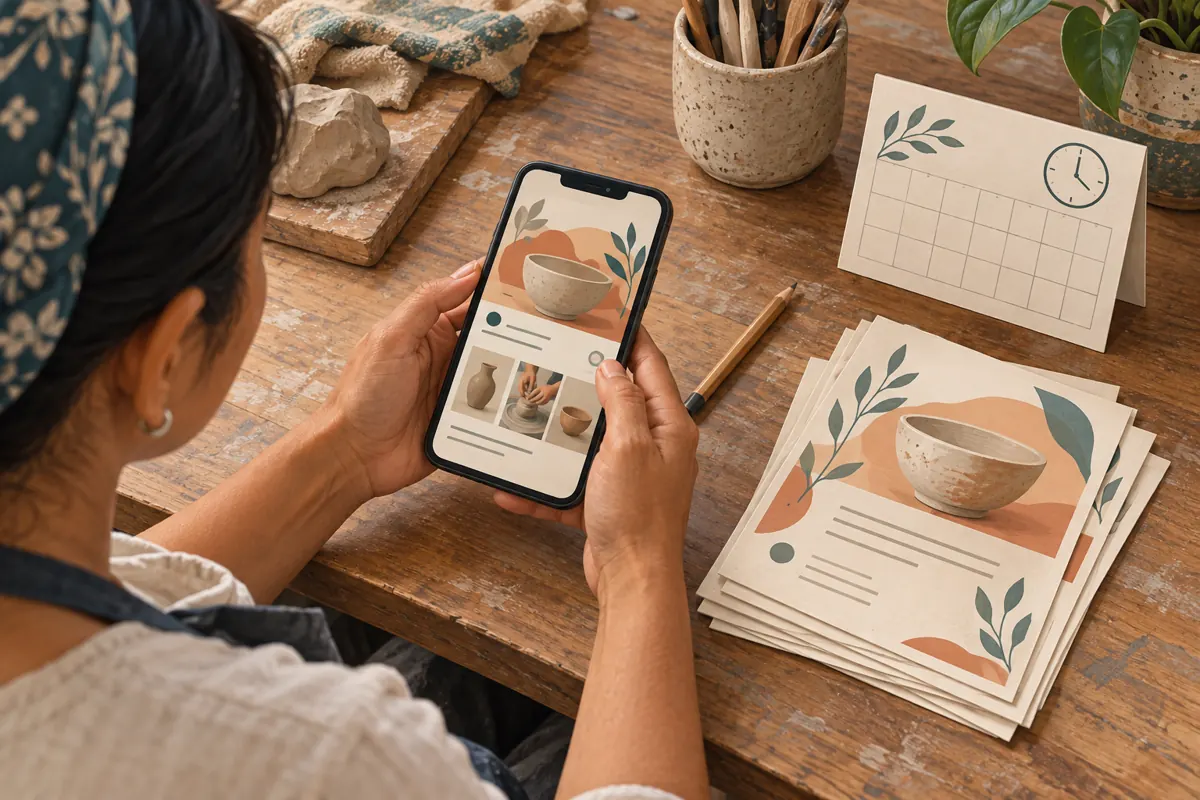
Prepared with AI assistance. Illustrations explain the workflow and do not represent customer results.